Sunglasses photography
Sunglasses photography that keeps the lens tint true.
A packshot brief for eyewear brands: frame shape, lens gradient and metal finish held exact from angle to angle, checked against the real pair.
By Sidharth Sahni · Updated · 5 min read
Short answer. For ecommerce sunglasses photography, plan five angles per frame: front, three-quarter, folded, side profile and on-face. Check every image against the real pair for lens tint, frame colour, metal finish and symmetry, and keep reflections off the lenses so the tint reads honestly.
Eyewear packshots made for Lenskart
These are studio packshots Helium produced for Lenskart sunglasses: rimless, round and metal-sided frames shot on a clean background, angle to angle, with the same lighting feel across the range. See the Lenskart project for the full set.
Sunglasses are small, shiny and symmetrical, so tiny errors show. A lens that drifts a shade, a temple that bends the wrong way or one hinge that differs from the other makes a listing look wrong before the shopper reads a word. The brief below is built around those three failure points.
Lenskart: studio packshots, angle to angle
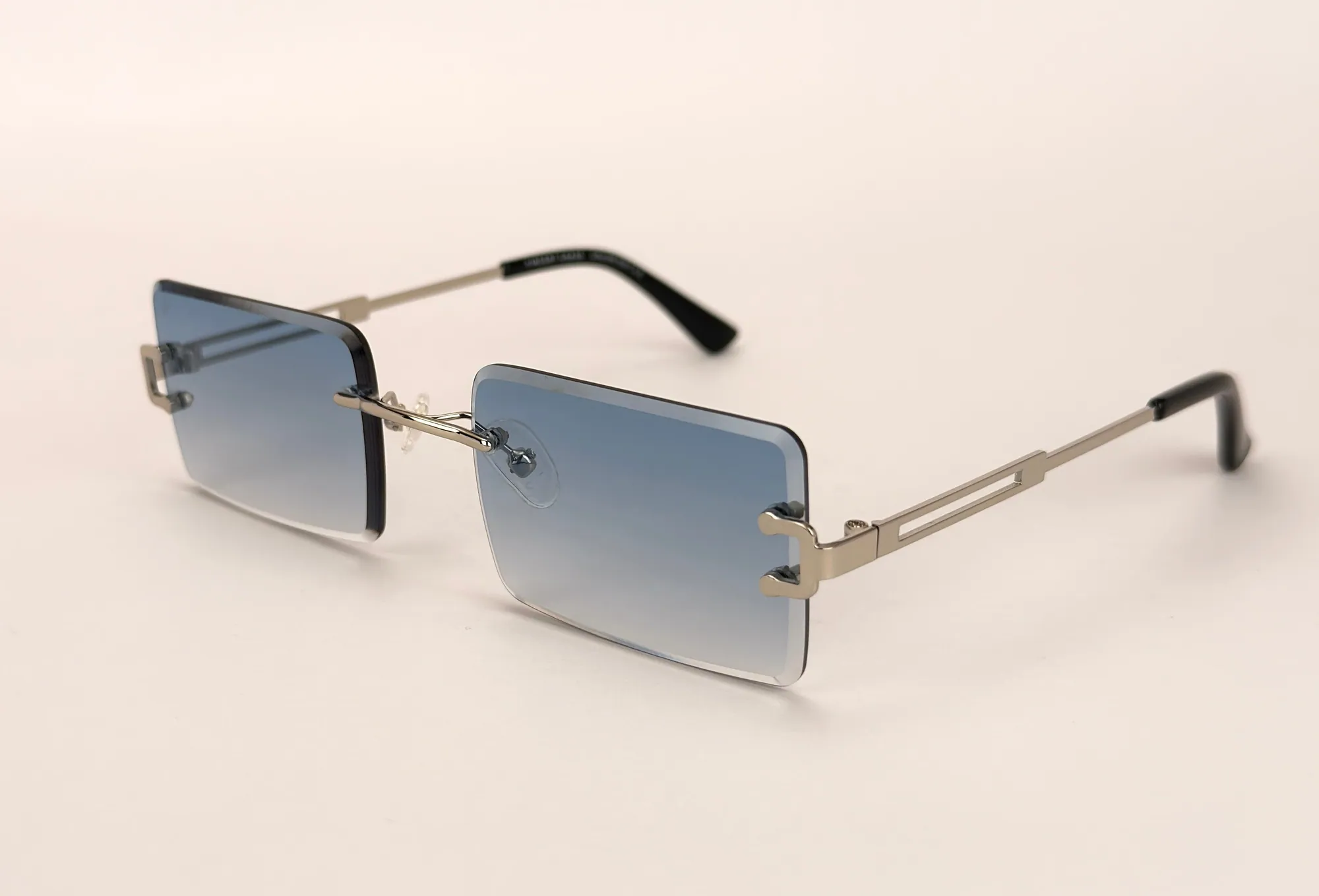
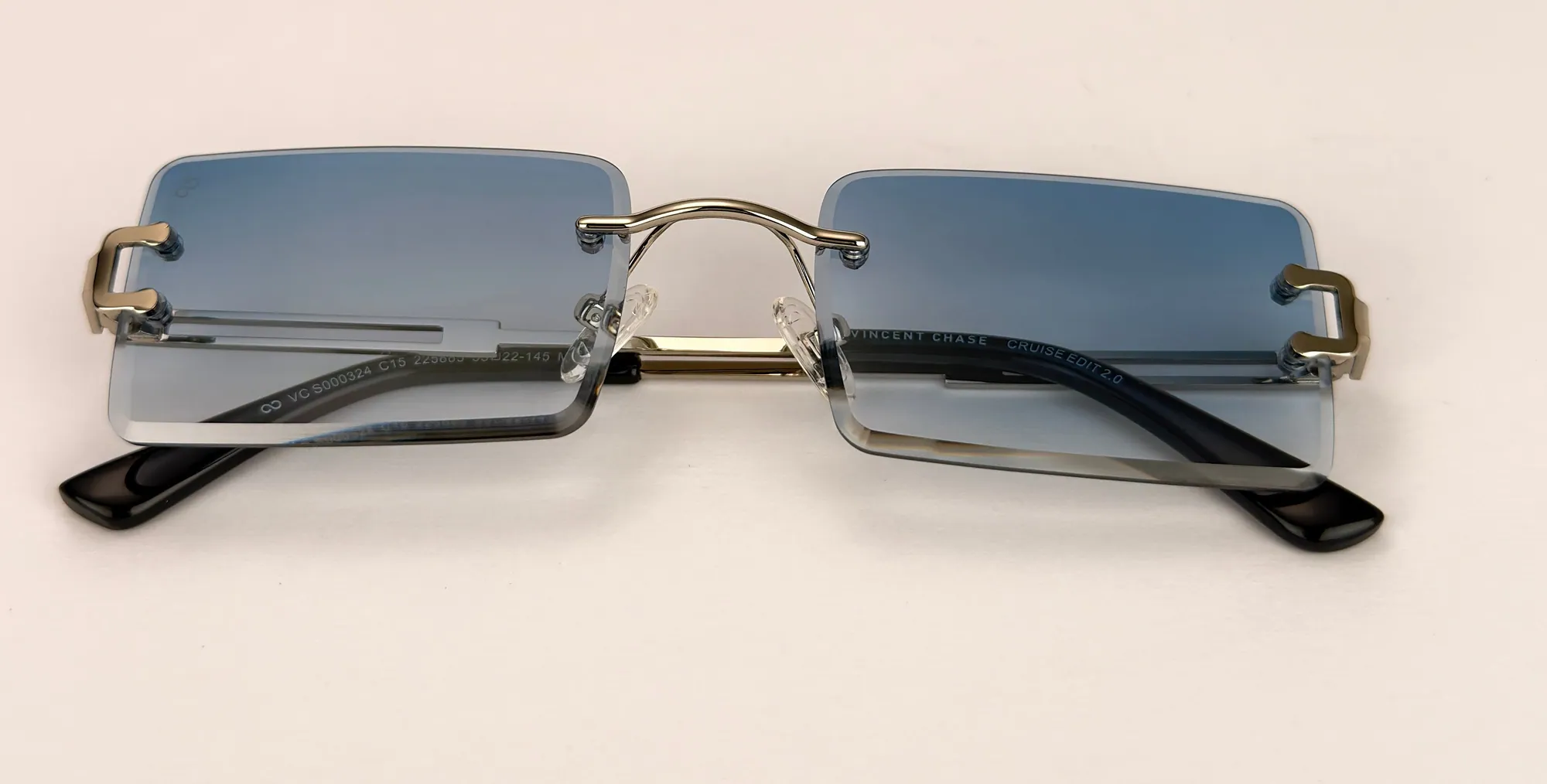
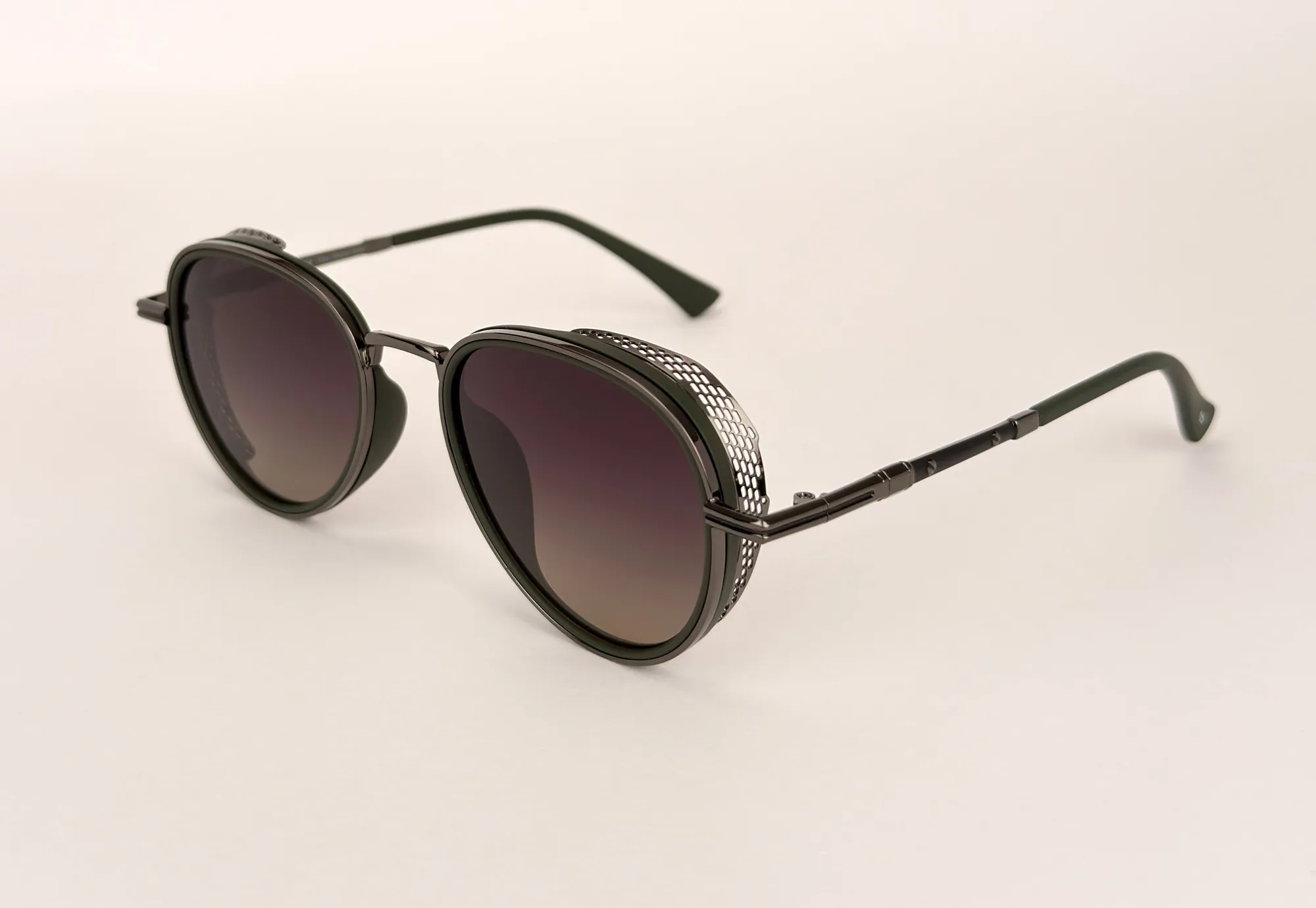
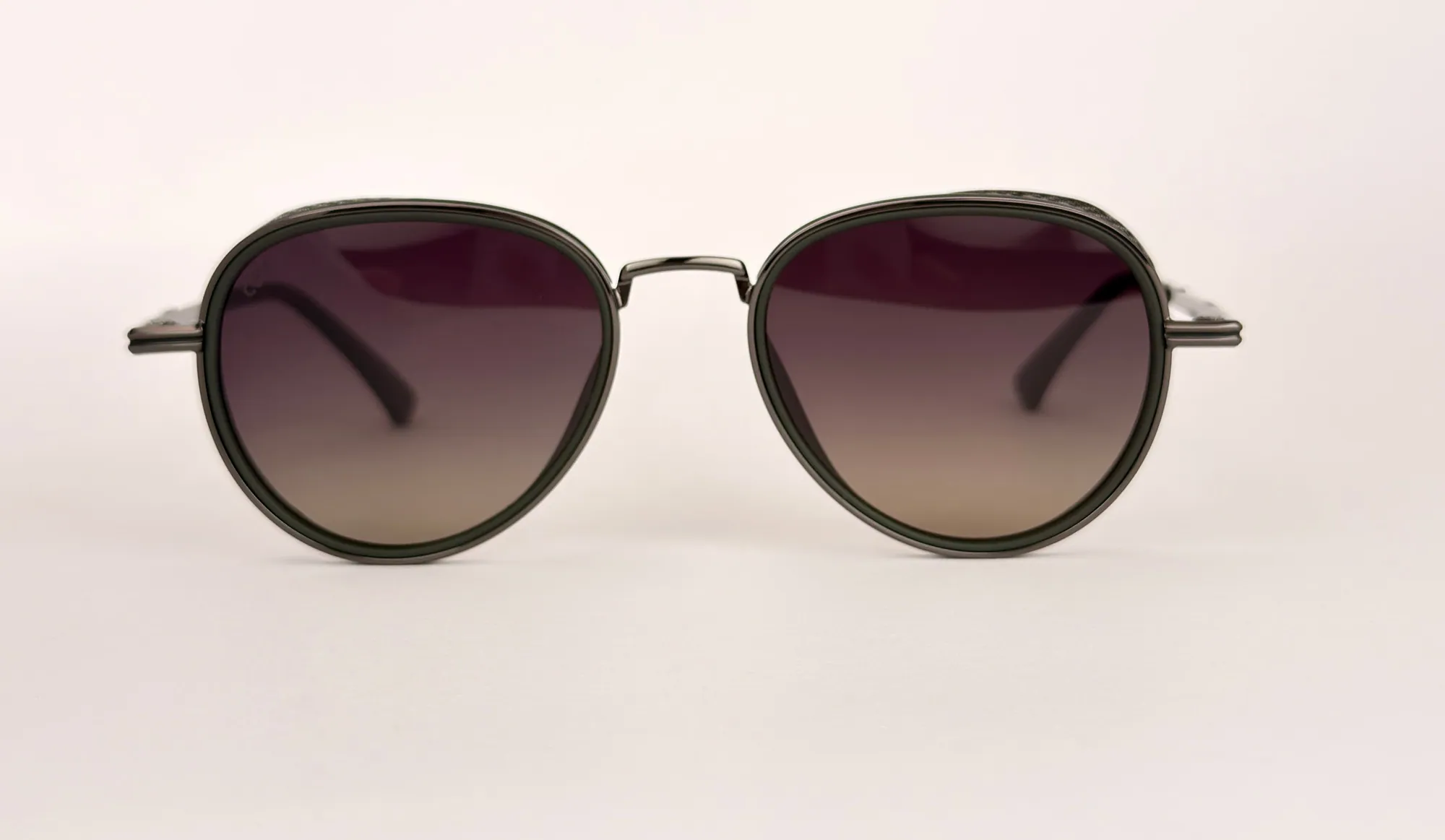
A five-angle sunglasses shot list
| Angle to request | What the shopper should see | Accuracy check against the real pair |
|---|---|---|
| Front, open | Lens shape, bridge, frame width and symmetry | Compare left and right: both lenses the same size, both hinges at the same height. Check the tint matches the real lens. |
| Three-quarter | Depth, temple shape and how the frame sits in space | Check the temple curve and hinge detail against a real angled photo. Side shields and mesh must not be added or dropped. |
| Folded, front view | Frame colour, lens tint and compact shape | Confirm the temples fold the way the real pair folds and any logo or text on the lens stays where it is. |
| Side profile | Temple length, tip colour and any metal or acetate detail | Match the temple tip, its colour and any cut-outs to the reference. Do not smooth out a patterned temple. |
| On-face | Fit, scale and how the tint looks against skin | Give the real lens width and bridge size. Reject a frame that sits too large, too small or tilted. |
Lens tint, reflections and symmetry: what drifts first
Gradient lenses are the first thing to drift. A blue-to-clear fade can lose its clear end, a brown gradient can turn flat grey, and a mirrored lens can pick up a reflection that was never there. Compare the lens colour at full size next to the real pair under daylight, not only on a phone screen.
Reflections are the second trap. A bright window or a studio light in the lens can hide the tint, so ask for the tint to be visible edge to edge, or for a second angle where it is. Rimless frames add a third check: the bevelled lens edge and the tiny screws and nose pads are easy to lose.
Symmetry is last. Eyewear is judged by eye, so look at both sides of the front view and both temples in the side view. Helium's managed AI photoshoot runs this review on every image against your references before it reaches you.
Brief a sunglasses catalog before generating images
- Photograph every colourway as its own SKU
A frame in tortoise and the same frame in black are two products. Send a front, three-quarter and side photo for each, with the lens tint visible. - Send the size numbers
Lens width, bridge width and temple length (the three numbers printed inside many frames). They decide how big the frame looks on a face. - Say which lens type each pair has
Gradient, mirrored, polarised or clear. Tell us what must stay visible, such as a mirror coating or a gradient fade. - Review at full size, side by side
Compare tint, hinges, temple tips and any engraved text with the reference. Reject an image when a detail is wrong or cannot be verified. - Name files by SKU and angle
Export by SKU, colourway and angle, and test the store, marketplace and ad crops, so the right pair shows on the right listing.
From one packshot to short video ads
Once a frame has approved packshots, the same product becomes short vertical video: a slow turn of the frame, a lens-tint close-up, a colourway reveal. Helium makes these in its managed ad creatives service from your approved references, so the frame in the video matches the product page. Ask for the stills first; they are the reference the video is checked against.
A managed eyewear photoshoot, with a sample first
Catalog images start at ₹85 per image in India, exclusive of GST, or $1 per image internationally, with product-accuracy QC on every image and volume pricing for full catalogs; see pricing. Video is priced separately per video on the same page.
Send a product link and your references through the free-sample form and tell us which detail matters most: lens tint, metal finish or symmetry. For the full reference-to-review method read the AI product photoshoot guide. If your store runs on Shopify, bulk product editing can help with listing updates once the images are approved.
Sources
Questions
Sunglasses photography questions
Can AI make on-face sunglasses photos from a packshot?
A clear packshot can start the brief, but it does not show fit or scale. Send the lens width, bridge width and temple length, then check the frame shape, tint and symmetry before publishing.
Do different colours of the same frame need separate references?
Yes. Each colourway has its own frame colour, lens tint and sometimes metal finish. Provide references per SKU.
How do you photograph sunglasses without reflections in the lenses?
Use soft, large light sources and angle the frame so the lens does not mirror a bright light. In an AI-assisted workflow, check at review that the tint reads edge to edge and ask for another angle when a reflection hides it.
How do you show the real lens colour online?
Photograph each colourway on its own and compare the lens with the real pair in daylight. A tint that looks right in one scene can shift in another, so review each image at full size.
How much does product photography cost per image in India?
Helium catalog images are ₹85 per image in India, exclusive of GST, with product-accuracy QC on every image and volume pricing for full catalogs. The pricing page lists the current offer.
Which photos should a sunglasses product page include?
Use the five-angle list above: front, three-quarter, folded, side profile and on-face. Add a close-up when the frame has a detail worth seeing, such as a mesh side shield or a logo.
Keep reading
Related.
Jewellery photography where the stones stay real.
Macro, white-background, on-model and styled shots for every piece, with metal tone, stone count and size checked against the real thing.
Shoe photography from one packshot.
Seven angles, the sole, macro details and on-foot street shots for every pair, made from the photos you already have and checked stitch by stitch.
Watch photography, down to the dial.
A catalog brief for watch brands: readable dials, controlled reflections, useful angles and a check against the real watch before any image goes live.
Free sample
Start with the frame you want to check closely.
Share a product link and your reference photos. Tell us whether lens tint, finish or symmetry matters most.
Rather talk? or WhatsApp us