Retargeting
Your Retargeting Audiences Are Destroying ROAS: The Session Intelligence Fix
Cart and page-view audiences are full of bots, browsers and failed sessions. Score intent first, then retarget.
By Helium · Published · 5 min read
Short answer. Retargeting audiences built on cart views and page views are bloated with bots, low-intent browsers and sessions that hit site friction, so you pay Meta to chase people who will never buy. Scoring each session on intent signals, then retargeting only high-intent sessions and suppressing the rest, protects ROAS.
- 41% of marketing budgets are wasted due to poor targeting (Statista, 2023).
- Retargeting lists built on cart views lead to inflated costs for low-intent shoppers.
- CACs have increased 222% over the past 8 years (ProfitWell/Zuora, 2023).
- In 2025, every wasted impression cuts directly into margin. Personalisation is now a performance channel, not a widget.
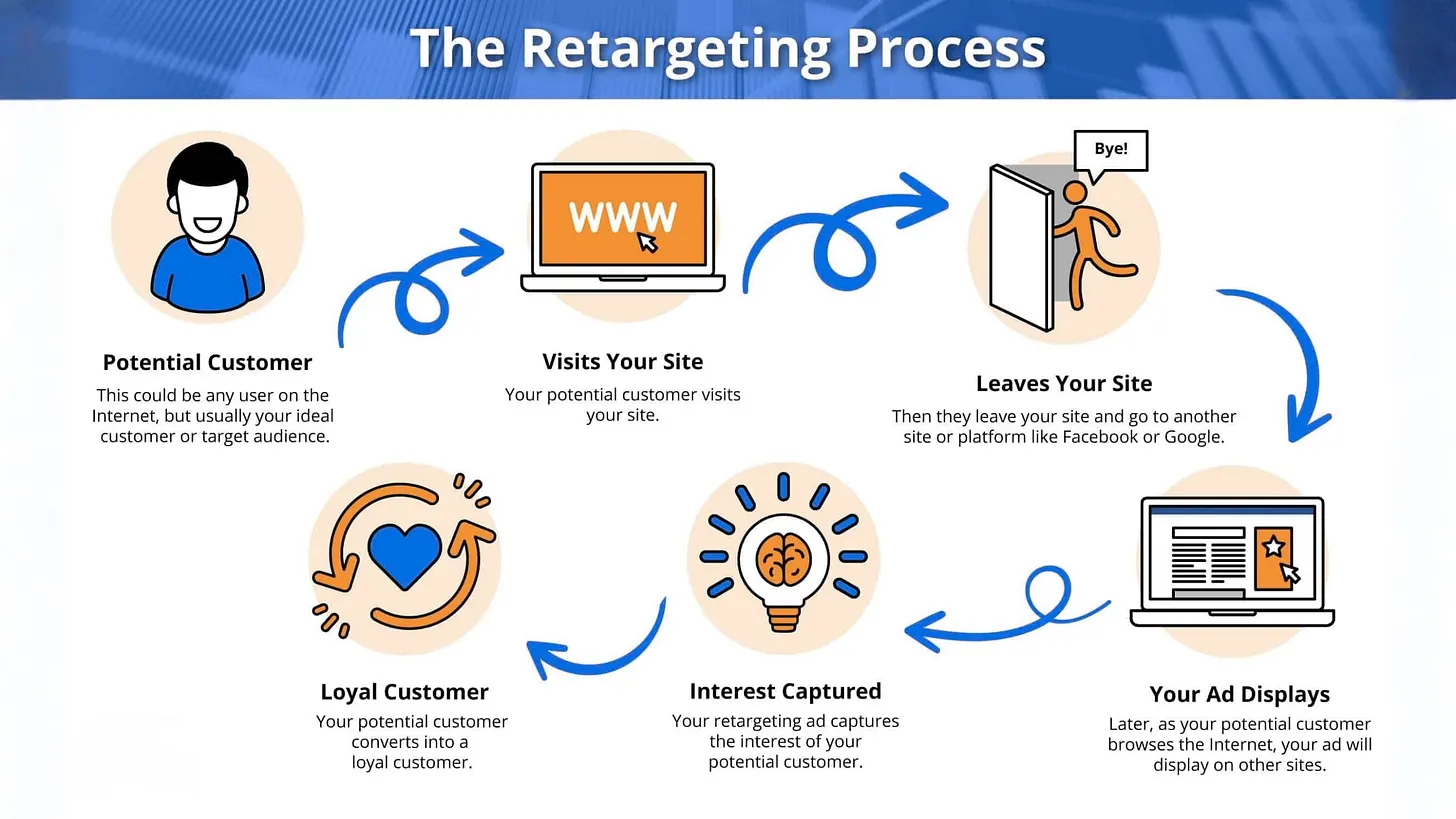
Why your retargeting audiences are bloated (and expensive)
Most ecommerce brands build retargeting audiences like this (the numbers here and below are an illustrative example, not benchmarks):
- Cart abandoners: anyone who added a product (12,000 users)
- Product viewers: anyone who spent 10+ seconds on a PDP (28,000 users)
- Site visitors: anyone who landed on the homepage (45,000 users)
Sounds smart. Bigger audience, more conversions, right? Wrong. Here's what actually happens when you retarget everyone.
Bot traffic inflates your audience
In our example, GA4 shows 12,000 “cart abandoners”. But 4,500 of them are bots, scrapers or click fraud. They triggered your pixel, entered your retargeting pool and cost you $9,450 in wasted impressions last month. They will never convert.
Low-intent sessions dilute your signal
A user spent 12 seconds on your PDP. Meta sees an “engaged visitor”. But they were comparison shopping: they opened your product page in one tab and four competitor pages in others. They have no purchase intent. In this example, retargeting them costs $2.10 per click and converts at 0.3%.
Friction-exposed sessions poison the pool
A mobile user added your product to cart, but your checkout page took 8 seconds to load on their 3G connection. They bounced. Meta added them to your “high-intent” retargeting list. You just paid $1.85 to show them an ad for a product they couldn't buy, because your site failed them.
Add these groups up and a large part of your “high-intent” pool is people who will never convert. This is why your ROAS is tanking.
Why Meta's algorithm can't fix this
Meta's algorithm optimizes for engagement, not conversion intent. It doesn't know that:
- User A is a bot
- User B only buys during 30%-off sales
- User C hit an out-of-stock page before abandoning cart
All Meta sees is “these users engaged with your site”. So it serves them impressions, and you pay for it. The only way to fix this is to filter your audience before it reaches Meta's system.
How session intelligence protects ROAS
Not all sessions are created equal. Two people can visit your PDP, spend 15 seconds and bounce, but one might be far more likely to convert than the other.
The difference is intent signals.
How traditional analytics miss the point
GA4 tells you things like:
- Session duration: 2m 14s
- Pages viewed: 4
- Bounce rate: 65%
But it doesn't tell you:
- Did they compare product variants or just scroll?
- Did they check your shipping policy or return terms?
- Did they hover over “Add to cart” or ignore it completely?
- Did they open your size guide or bounce at the first image?

The signals that actually matter
These micro-behaviors reveal intent, and intent determines who's worth retargeting.
High-intent sessions show patterns like:
- Variant comparison: switched between colors, sizes or models
- Trust validation: checked shipping estimates, return policies or reviews
- Price confirmation: viewed the product multiple times across sessions or devices
- Checkout probing: clicked “Add to cart”, viewed the cart page, started checkout
- Behavioral velocity: moved through the funnel quickly (decisive, not browsing)
Low-intent sessions look like:
- Linear scrolling with no interaction
- Single-page visit with immediate exit
- Rapid tab-switching (comparison shopping)
- Mobile visit on a slow network (friction-exposed)
- Geo mismatch (an international visitor when you only ship domestically)
Session quality scoring gives every visitor a 0–100 likelihood score based on these signals:
- A score of 75 means this session is 75% likely to convert if retargeted.
- A score of 12 means you're lighting money on fire.

The retargeting audit framework
Here's how to find the waste in your current retargeting setup.
Step 1: Run a session quality audit
- Check for bot traffic, which can make up a big share of an “engaged” audience
- Flag friction-exposed sessions (out of stock, mobile latency, checkout errors)
- Identify discount-dependent shoppers
- Remove geo and device mismatches (for example, Canada traffic when you only ship to the US)
Step 2: Score and segment
Instead of one massive “cart abandoner” audience, build tiered lists by intent score: high, medium and low.
- Old retargeting strategy: spend equally across all 12,000 users.
- New strategy (example split): put 70% of budget on Tier 1, 25% on Tier 2, and suppress Tier 3 entirely.

Step 3: Sync to your ad platforms
Most brands can't manually filter 50,000 sessions. This is where automation matters. Sync scored audiences directly to Meta and Google:
- High-intent sessions → priority retargeting campaigns
- Low-intent sessions → suppressed from ad delivery
- Friction-exposed sessions → flagged for site fixes (don't retarget until the issue is resolved)
Refresh weekly so your audiences stay clean as new sessions roll in.
Stop paying to chase bad sessions
Here's what most brands get wrong about retargeting: they think the problem is creative fatigue, audience saturation or iOS privacy changes.
The real problem is that they're paying Meta to chase people who were never going to convert. Bots. Window shoppers. Discount hunters. Friction-exposed sessions. Every wasted impression inflates your CPC, dilutes your signal and drags down your ROAS.
The fix isn't more budget. It's better audience definition. Session intelligence lets you:
- Filter out bot traffic before it costs you money
- Score every session on conversion likelihood, not just “engagement”
- Suppress low-intent visitors from retargeting pools
- Catch friction issues before they poison your audiences
The brands winning on paid media in 2025 aren't spending more. They're spending smarter.
Keep reading
Related.
How Meta itself changes through the year in India
Meta moves through four operating states in India each year. Plan budget, creative and measurement for the state you are in.
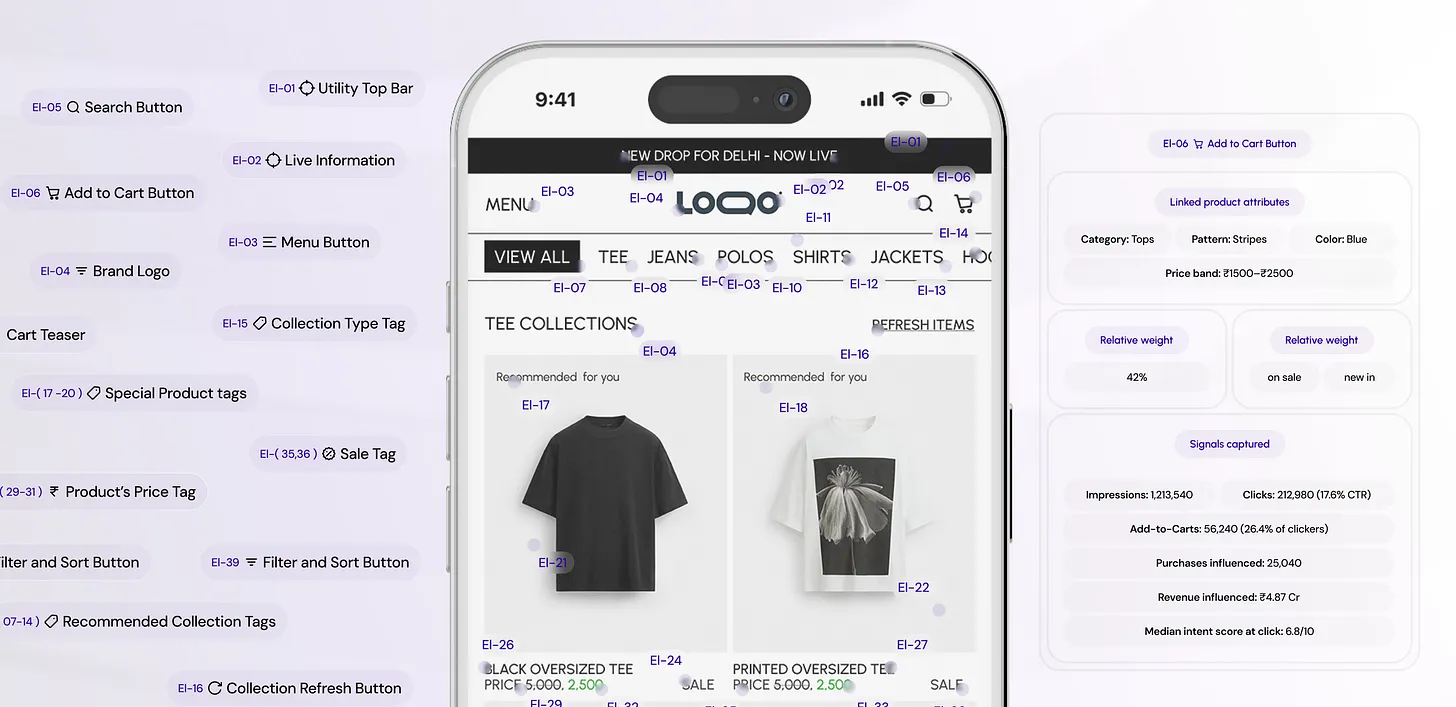
How to Detect Buyer Signals in Sessions (Before They Add to Cart)
Real intent shows up long before the cart button. Here are the signals that predict conversion, and how to act on them.

Quality-Weighted Retargeting: The Playbook for Higher ROAS This Festive Season
Retarget shoppers who hit a specific, fixable blocker. Suppress the browsers, and keep spending after December 25.
Helium for Shopify
Retarget the shoppers who buy
Meta and Google feeds and retargeting audiences built from your Shopify and ads data, not raw cart events.
Want to test us on content first? Get a free sample